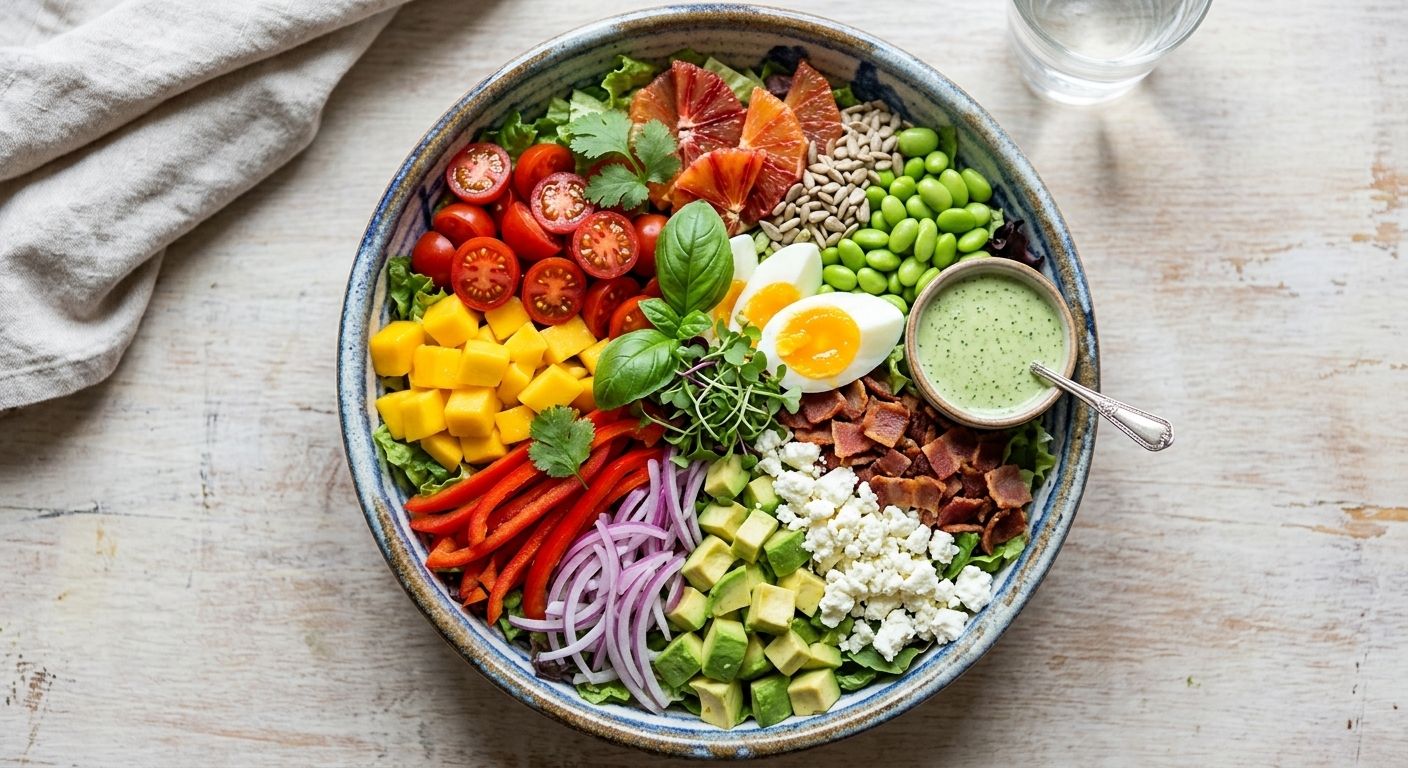
Healthy eating doesn't have to be complicated. In fact, some of the most powerful changes you can make to your diet are surprisingly simple. Whether you're just starting your wellness journey or looking to fine-tune your existing habits, this guide will walk you through everything you need to know about building a nutritious, balanced diet that works for your lifestyle.
Why Nutrition Matters More Than You Think
The food you eat is the foundation of your health. Every cell in your body is built from the nutrients you consume, which means that what you put on your plate directly impacts your energy levels, mood, immune function, and long-term disease risk. Research consistently shows that a diet rich in whole foods, fiber, and essential micronutrients can reduce the risk of chronic diseases such as type 2 diabetes, heart disease, and certain cancers.
The Core Principles of Healthy Eating
Rather than following rigid diet rules, focus on these core principles that nutrition experts agree on:
- Eat mostly whole, minimally processed foods. Fruits, vegetables, whole grains, legumes, nuts, seeds, and quality proteins should form the bulk of your diet.
- Prioritize plants. Aim to fill at least half your plate with vegetables and fruits at every meal. Plant foods are rich in fiber, vitamins, minerals, and antioxidants.
- Choose quality proteins. Include a variety of protein sources such as fish, poultry, eggs, dairy, legumes, and tofu to support muscle health and satiety.
- Limit ultra-processed foods. Foods high in added sugars, refined grains, and unhealthy fats contribute to inflammation and metabolic dysfunction.
- Stay hydrated. Water is essential for virtually every bodily function. Aim for at least eight glasses per day, more if you are active.
Building a Balanced Plate
A practical way to ensure nutritional balance at every meal is to use the plate method. Divide your plate as follows: half vegetables and fruits, one quarter lean protein, and one quarter whole grains or complex carbohydrates. Add a small amount of healthy fat, such as olive oil, avocado, or nuts, to support nutrient absorption and satiety.
Smart Grocery Shopping Tips
Healthy eating starts at the supermarket. Here are some strategies to help you make better choices:
- Shop the perimeter of the store, where fresh produce, proteins, and dairy are typically located.
- Read ingredient labels and choose products with short, recognizable ingredient lists.
- Plan your meals for the week before you shop to avoid impulse purchases.
- Buy seasonal produce for better flavor, nutrition, and value.
- Keep healthy pantry staples on hand, such as canned legumes, whole grains, and olive oil.
Meal Prep for Success
One of the most effective strategies for consistent healthy eating is meal preparation. Spending a couple of hours on the weekend cooking grains, roasting vegetables, and portioning proteins can save you time and decision fatigue during the week. When healthy food is ready and accessible, you are far less likely to reach for convenience foods.
Mindful Eating Practices
How you eat is just as important as what you eat. Mindful eating involves paying full attention to your food, eating slowly, and tuning into your body's hunger and fullness cues. Research shows that mindful eating can reduce overeating, improve digestion, and enhance your overall enjoyment of food.
Common Nutrition Myths Debunked
The world of nutrition is full of misinformation. Here are a few common myths worth setting straight:
- Myth: Carbs are bad for you. Whole food carbohydrates like oats, sweet potatoes, and legumes are nutrient-dense and an important energy source. It's refined carbs and added sugars that are problematic.
- Myth: Eating fat makes you fat. Healthy fats from avocados, nuts, and olive oil are essential for brain health, hormone production, and nutrient absorption.
- Myth: You need to eat every two hours to boost metabolism. Meal frequency has minimal impact on metabolism. What matters most is the overall quality and quantity of food you consume.
Getting Started: Your Action Plan
Ready to take the first step? Start with one or two small changes rather than overhauling your entire diet overnight. Add an extra serving of vegetables to one meal per day. Swap sugary drinks for water. Try cooking at home three nights this week. Small, consistent actions compound over time into powerful, lasting habits.
Remember, healthy eating is not about perfection. It's about making better choices most of the time and building a sustainable relationship with food that nourishes your body and supports your goals.